24 hr
Ausangate 7 Lakes High-Altitude Trek
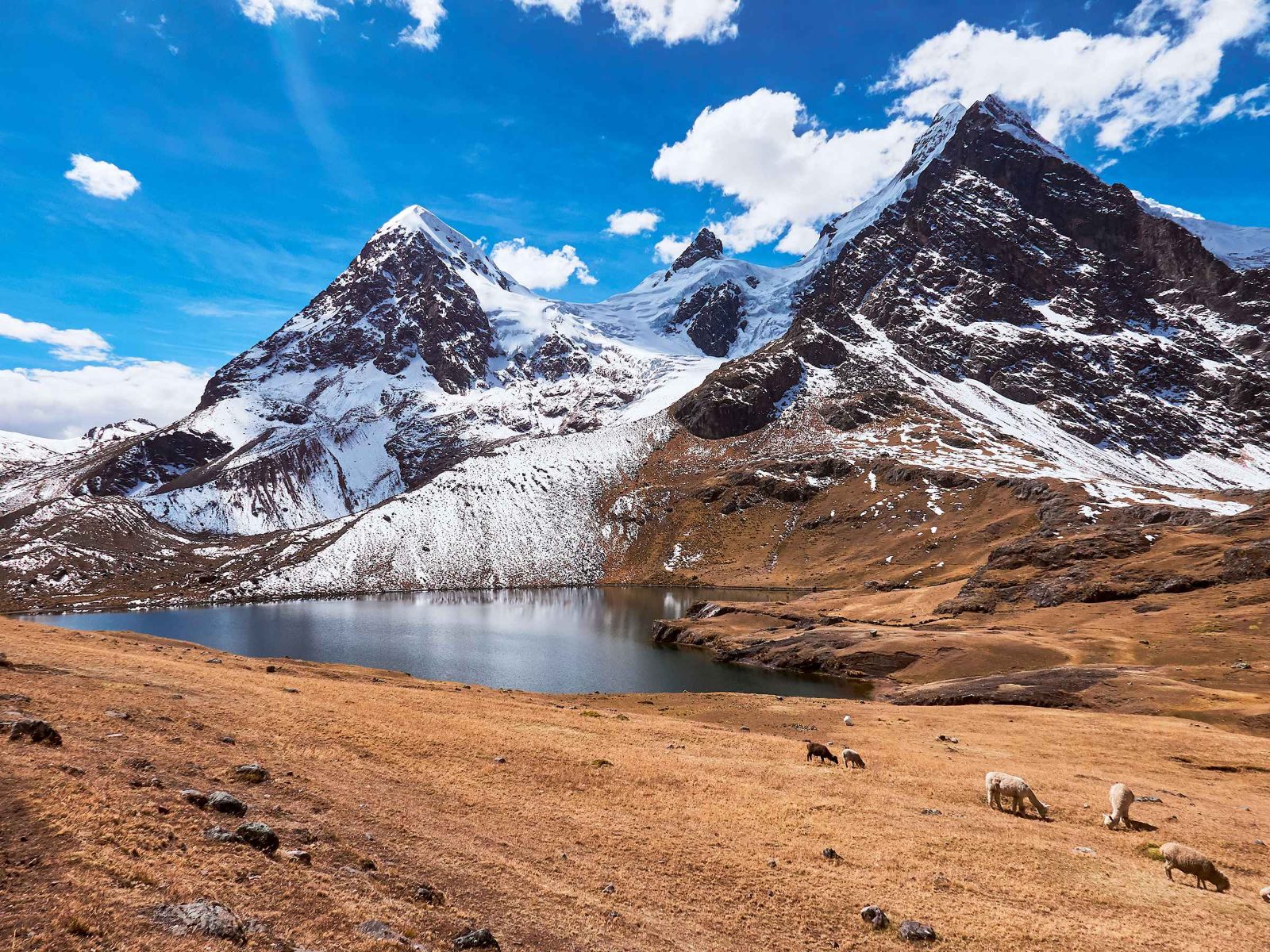
Trek through dramatic Andean terrain to seven pristine alpine lakes beneath towering Ausangate peak
Reserve
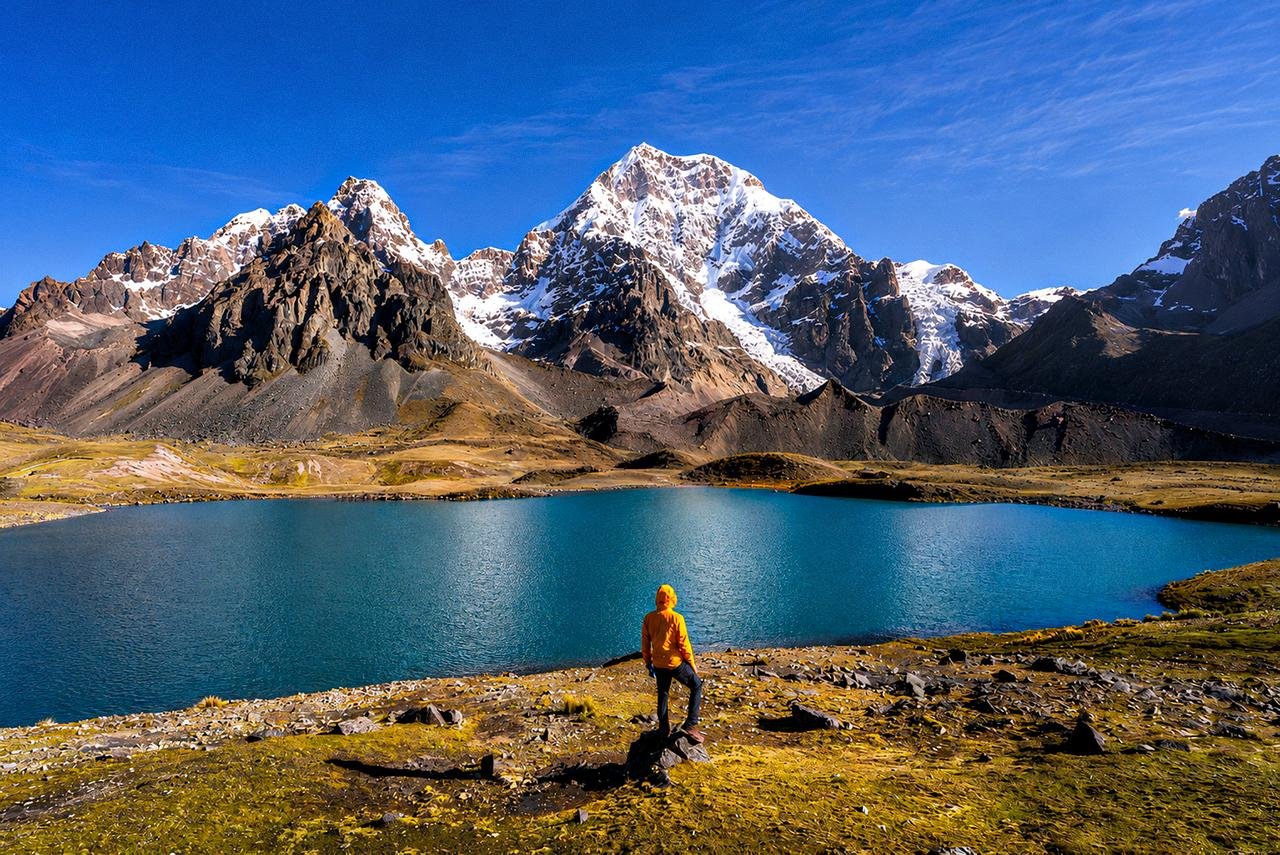
Seven turquoise lagoons beneath glaciers, a single day above 4,700 metres
Hand-picked by our editors — only the best 4 experiences from 12 reviewed.
Verified partners for Ausangate 7 Lakes Trek tours, free cancellation where available, and instant confirmation on every booking.
24 hr
Trek through dramatic Andean terrain to seven pristine alpine lakes beneath towering Ausangate peak
Reserve
24 hr
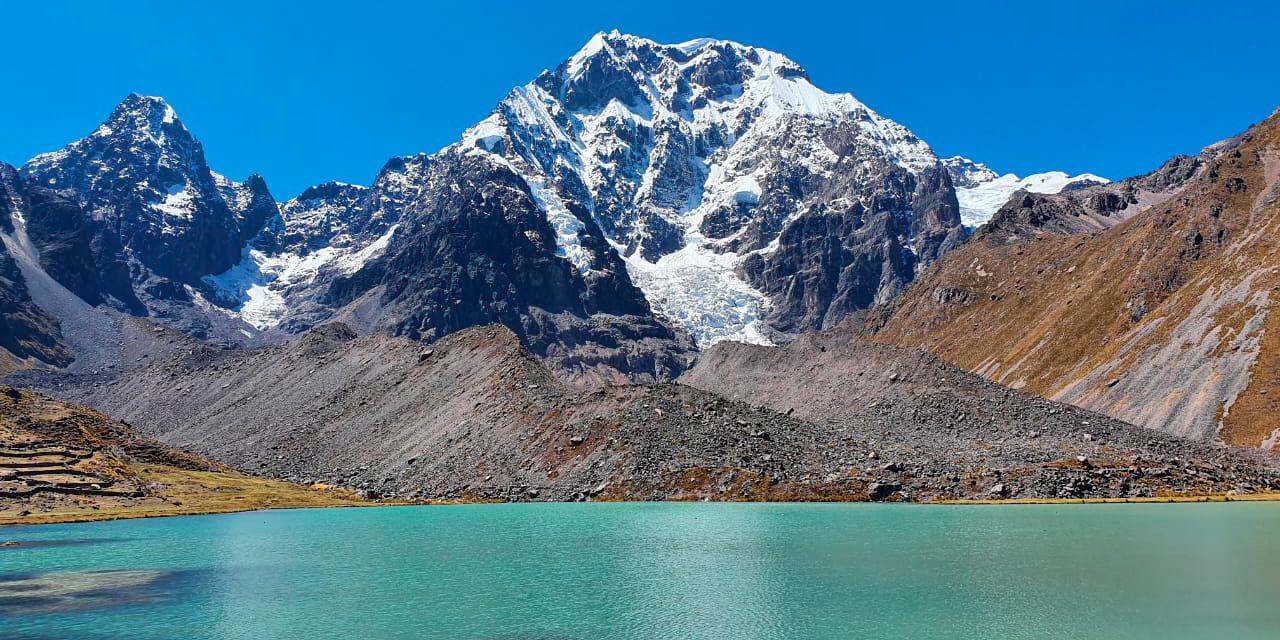
Full-day alpine hike through turquoise glacial lakes, mountain viewpoints, and geothermal springs
Reserve
12 hr
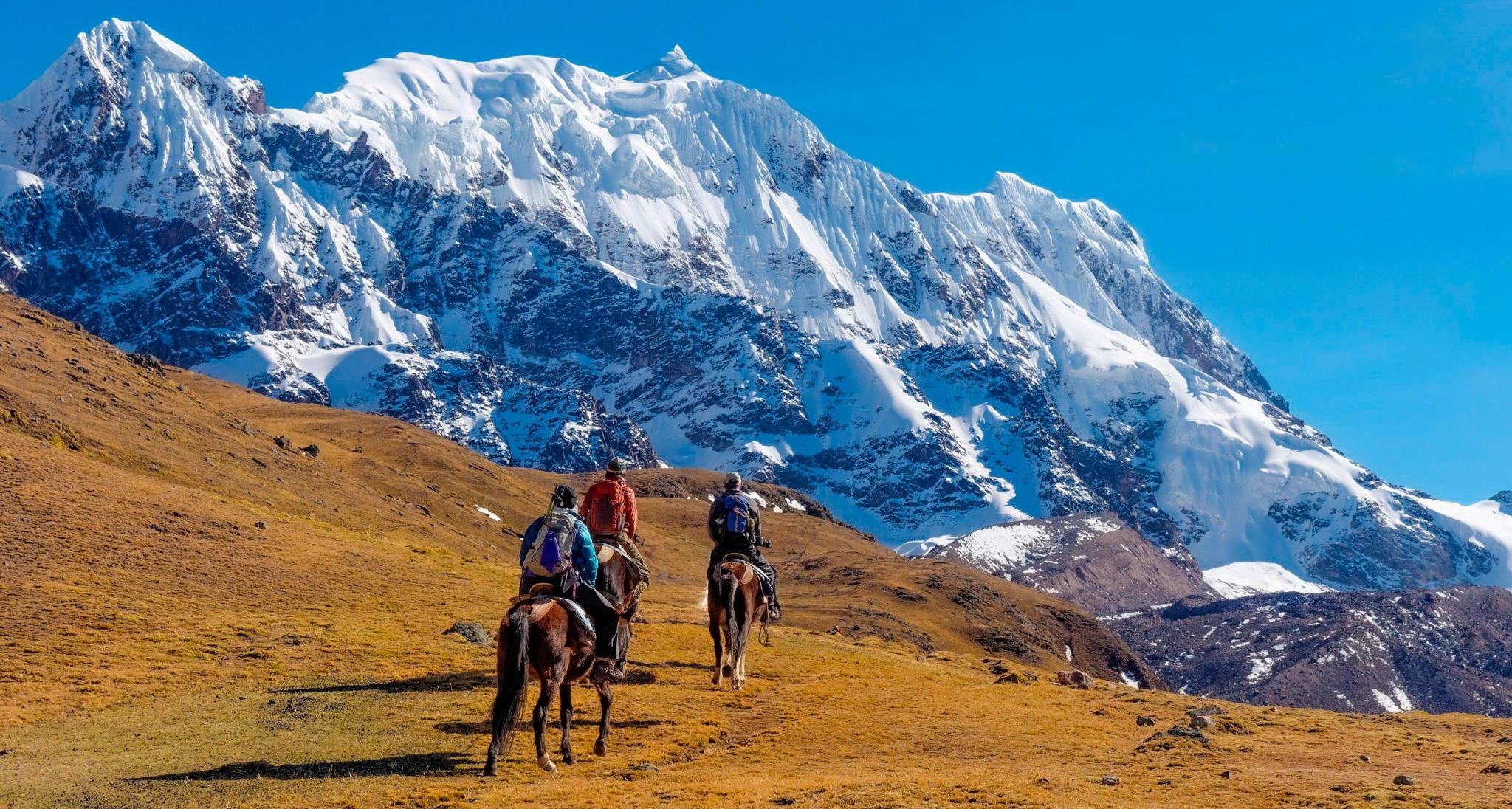
Ride through high-altitude Andean terrain to seven turquoise lagoons beneath Peru's towering Ausangate peak
ReservePrices from verified partners. Availability updates in real time at checkout. Free cancellation policies apply where shown.
The landmarks, rooms, and views travelers on Ausangate 7 Lakes Trek tours remember — all visible on a single visit.
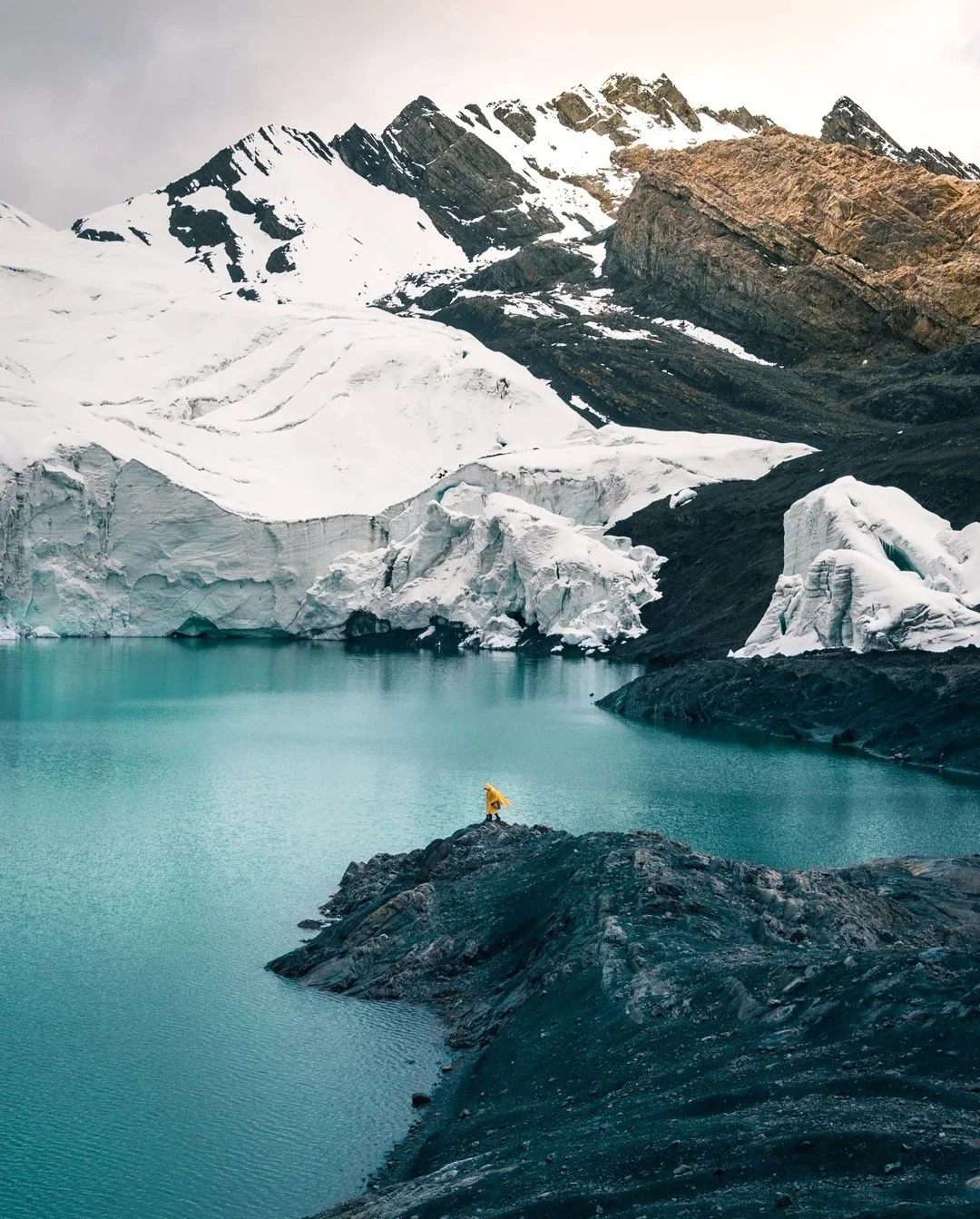
Features vibrant blue waters fed directly by melting glacial run-off from the surrounding peaks. It is often the final stop on many circuit routes.
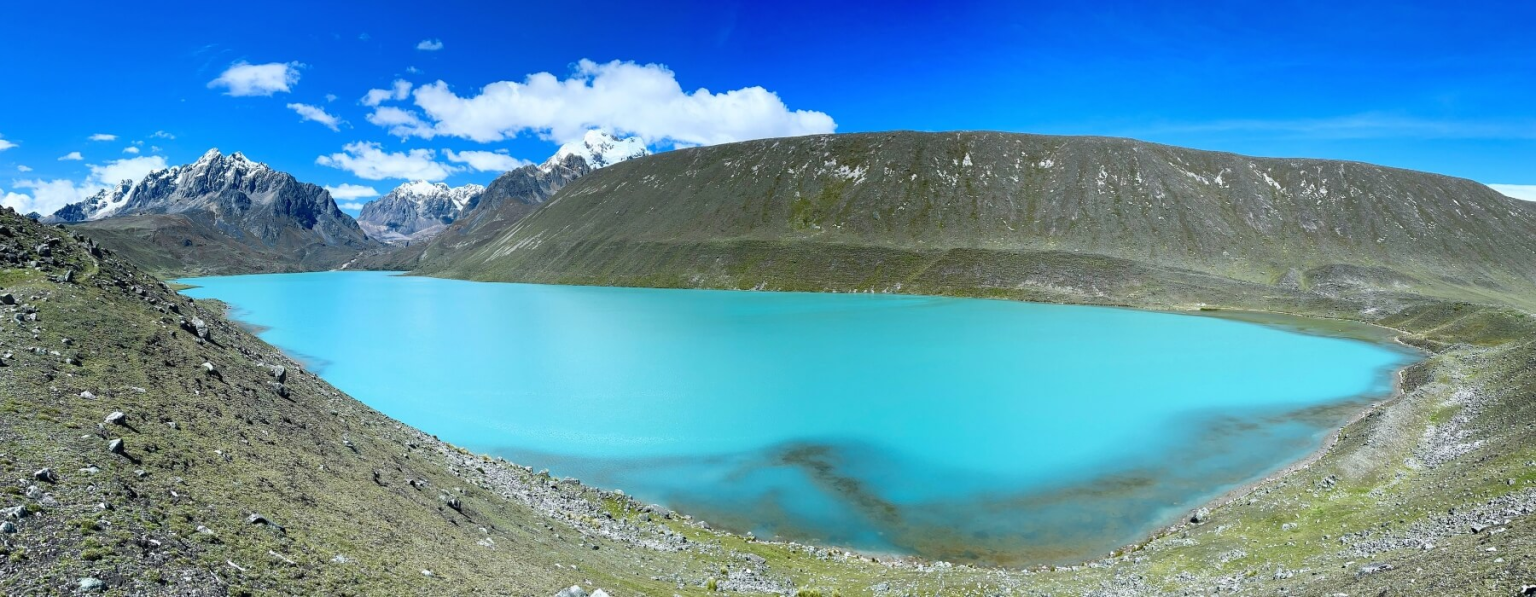
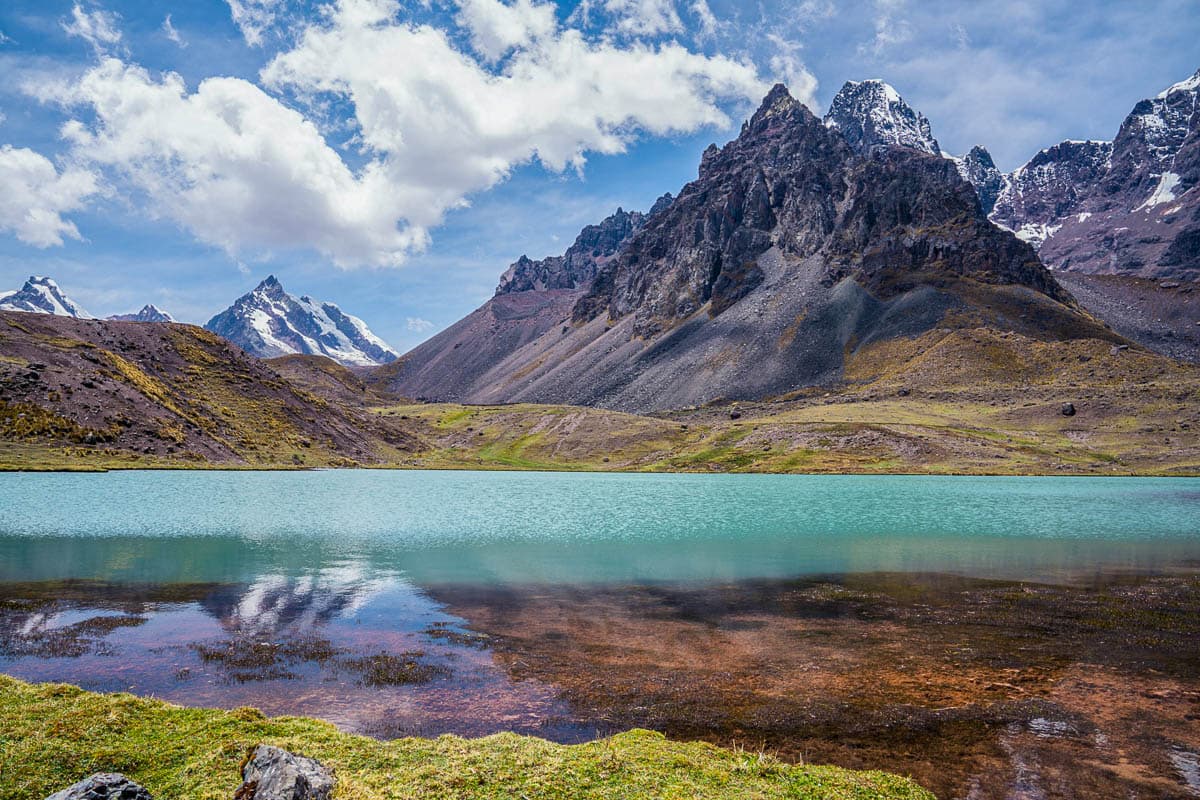
Known for its striking emerald green hue created by mineral deposits. This is one of the most photographed spots on the ausangate 7 lakes trek.
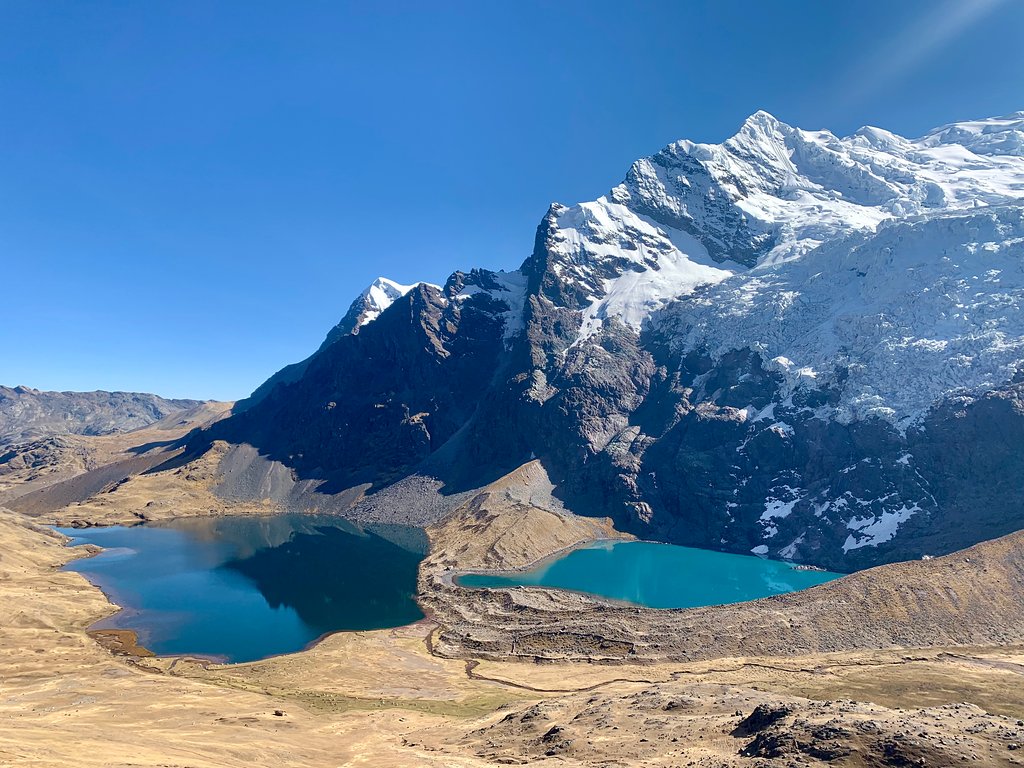
Actually two separate bodies of water, China Otorongo and Orco Otorongo, named for their resemblance to feline patterns. These lakes provide a stark contrast against the dark rock face.
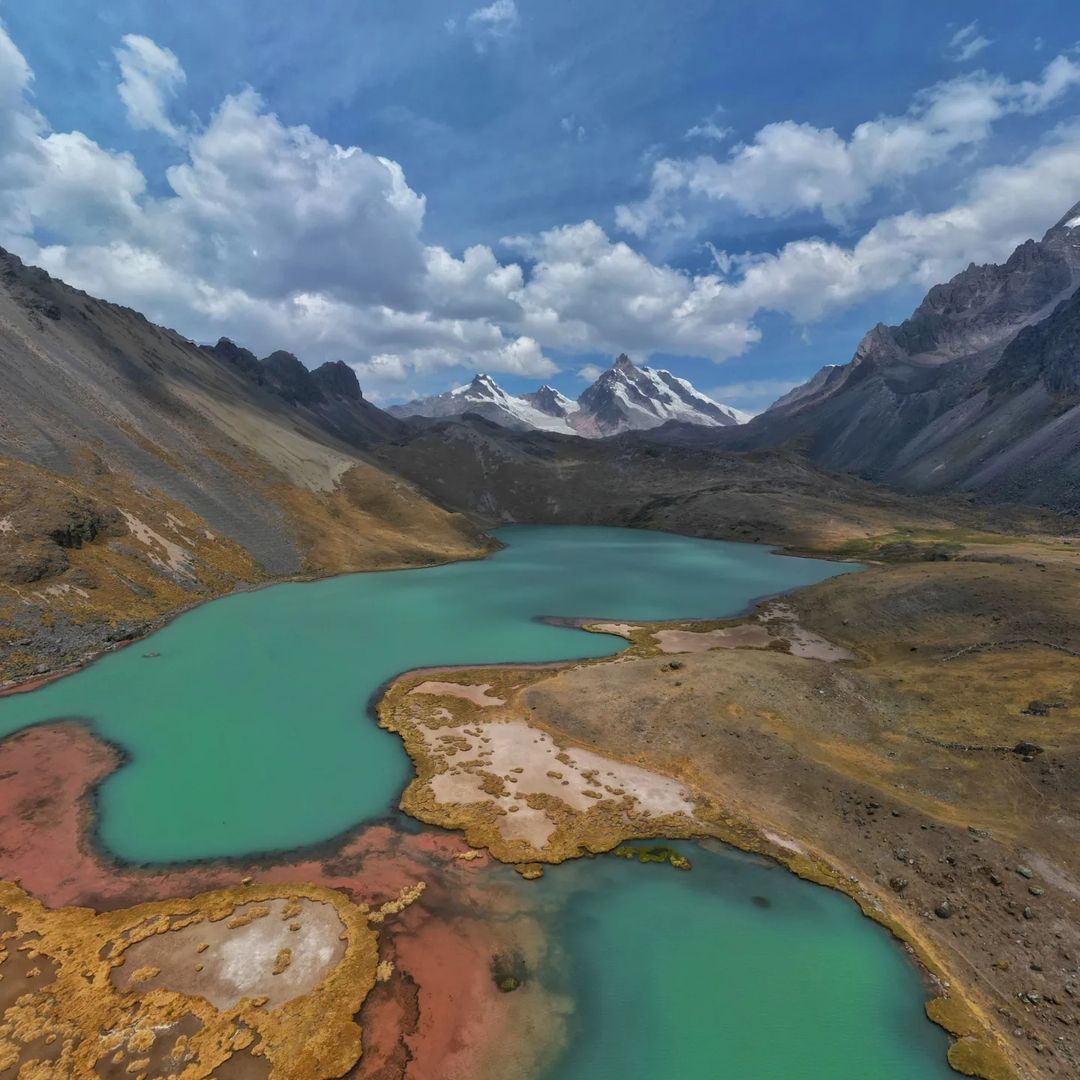
This lake is characterized by its unique reddish tones, contrasting beautifully with the high-altitude Andean landscape. It stands at an impressive elevation.
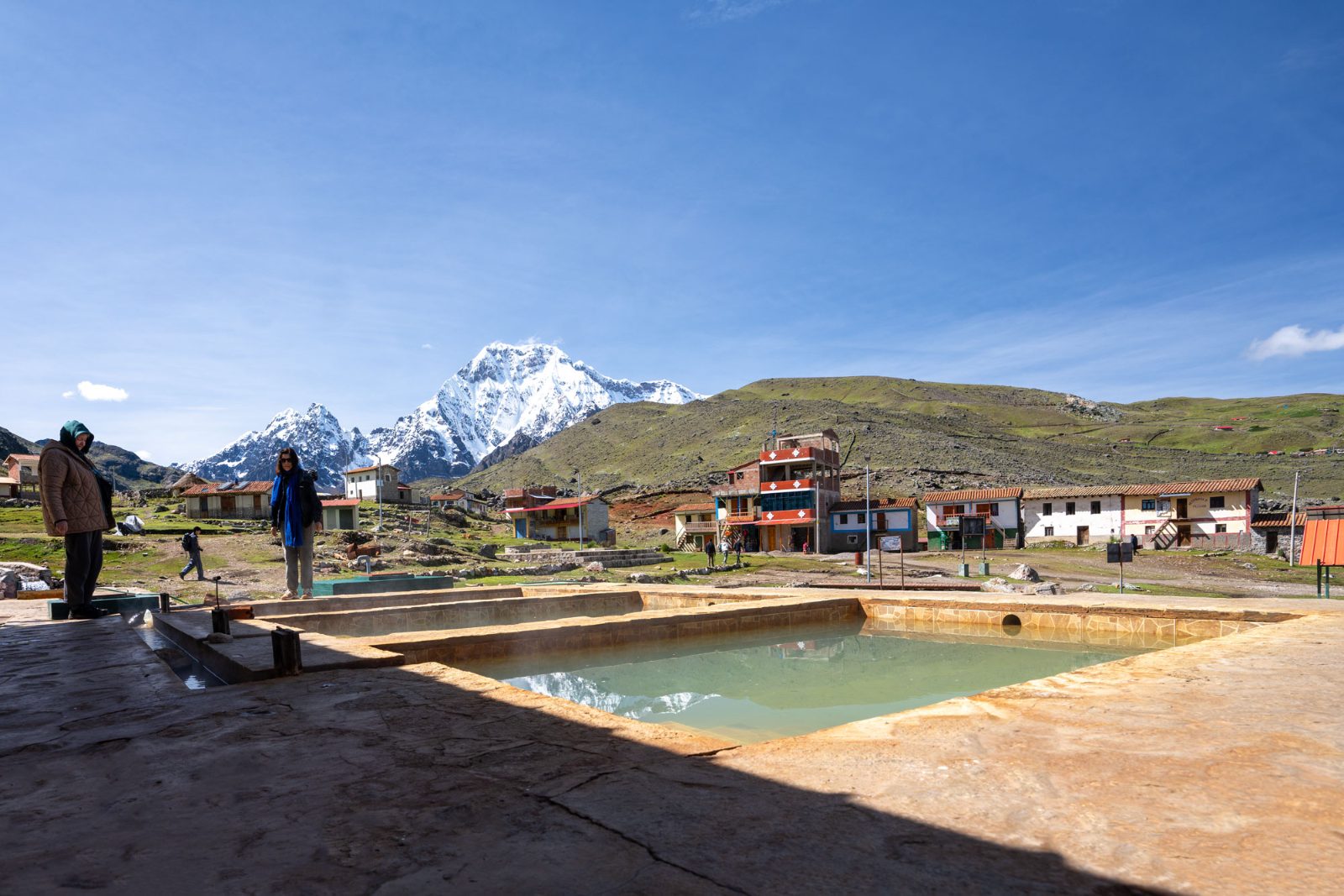
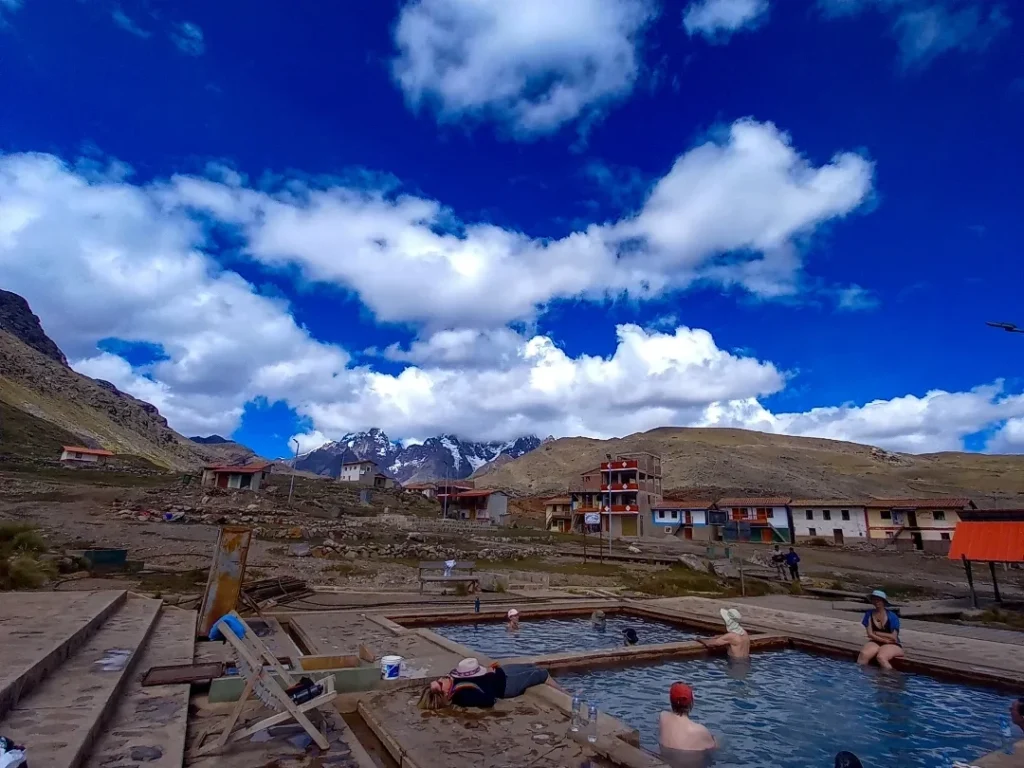
Located at 4,200 meters, these geothermal pools allow for recovery with an direct view of the Ausangate snow-capped peak. It is the perfect end to the ausangate 7 lakes trek.
Every Ausangate 7 Lakes Trek tour side-by-side — duration, what's included, how you redeem.
| Experience | Duration | Rating | Pickup | Lunch | Skip-the-line | Guide | Price | |
|---|---|---|---|---|---|---|---|---|
|
Guided Experience Most popular
Ausangate 7 Lakes High-Altitude Trek
|
24 hr | ★ 4.7 | ✓ | ✓ | ✓ | ✓ | $30 | Book → |
|
Guided Experience
Ausangate 7 Lakes Trek & Hot Springs
|
24 hr | ★ 4.6 | ✓ | ✓ | ✓ | ✓ | $32 | Book → |
|
Guided Experience
Ausangate 7 Lakes Horseback Adventure
|
12 hr | ★ 4.4 | ✓ | ✓ | ✓ | ✓ | $90 | Book → |
All prices from verified partners. Availability and exact terms confirmed at checkout.
The ausangate 7 lakes trek offers a serene encounter with glacial lagoons and Andean tradition, whereas Rainbow Mountain provides a concentrated display of mineral-rich geological formations. Those seeking cultural depth will prefer the former, while those prioritizing iconic vistas choose the latter.
| Feature | Top pick 7 Lakes Trek | Rainbow Mountain |
|---|---|---|
Primary Appeal |
Glacial lagoons and culture | |
Physical Difficulty |
Moderate with flat segments | |
Crowd Levels |
Low to moderate | |
Scenic Variety |
High with varied topography | |
Altitude Profile |
Above 4,000m throughout | |
Terrain Focus |
High Andean alpine valleys | |
| See tickets → |
Verdict: Select the ausangate 7 lakes trek tours if you value solitude and landscape diversity over the dense foot traffic typical of the popular Rainbow Mountain landmark.
Choose your ticket, select your date, and reserve in under two minutes. Secure checkout handled by our verified partner.
Instant confirmation by email, with a mobile voucher you can save offline. No printing, no queuing at a collection desk.
Arrive at the entrance, show your voucher on your phone, and walk in. Most tickets include priority or skip-the-line access.
Practical details for Ausangate 7 Lakes Trek tickets straight from our verified partners — hours, access, rules, and how to get there.
Cusco City
Standard pickup point for ausangate 7 lakes trek tour
Open in Google MapsPrivate transfer from Cusco is the most reliable method for your ausangate 7 lakes trek tour.
Take a bus to Tinki, followed by a local taxi or mototaxi to Pacchanta.
Wear moisture-wicking layers and a sturdy windbreaker. Sturdy hiking boots with ankle support are essential for the uneven rocky trails of the ausangate 7 lakes trek.
Use a comfortable daypack for your personal gear. Security is minimal in this remote area; keep your valuables on your person at all times during ausangate 7 lakes trek tours.
Bring extra batteries as cold temperatures drain power quickly. The landscape offers diverse photographic opportunities of turquoise, green, and deep blue glacial lagoons.
The ausangate 7 lakes trek takes place at extreme altitudes, often exceeding 4,500 meters. The terrain is steep and rocky, making it unsuitable for those with mobility impairments or severe altitude sensitivity.
Cellular service is extremely unreliable or non-existent in the remote high-altitude valleys. Use phones primarily for offline maps and photography.
The hike is physically demanding and generally recommended for older children or teens with previous high-altitude experience. Consult with your guide regarding specific family fitness requirements for the ausangate 7 lakes trek.
Bring plenty of water and high-energy snacks. Many ausangate 7 lakes trek tour operators include a traditional buffet lunch in Pacchanta, but carrying personal electrolytes is advised.
Pets are not permitted on the organized trail circuits due to local community regulations and wildlife protection policies.
Ensure you are well-acclimatized to the Cusco altitude before attempting this circuit. Hiring a local guide is highly recommended for safety and navigation.
Best time to go, insider tips, nearby landmarks, and the cancellation fine print — flip through to skim what matters to you.
How crowds, weather, and events shift across the year.
Sunny days and clear skies ideal for photography and visibility. Nights are extremely cold, often dropping below freezing.
Green landscape but increased risk of mud and limited visibility. Not recommended for those seeking consistent mountain views.
Small details that turn a good visit into a great one.
Spend at least 2–3 days in Cusco before starting your ausangate 7 lakes trek.
Always carry extra 20 PEN notes for entrance fees and 5 PEN for hot springs as card payments are not accepted.
Weather changes rapidly; wear layers that can be removed as you hike.
High altitude UV exposure is intense, even on cloudy days.
Follow guide instructions regarding rituals or offerings to the mountain.
Non-bookable sights within a short walk — free to visit, easy to pair.
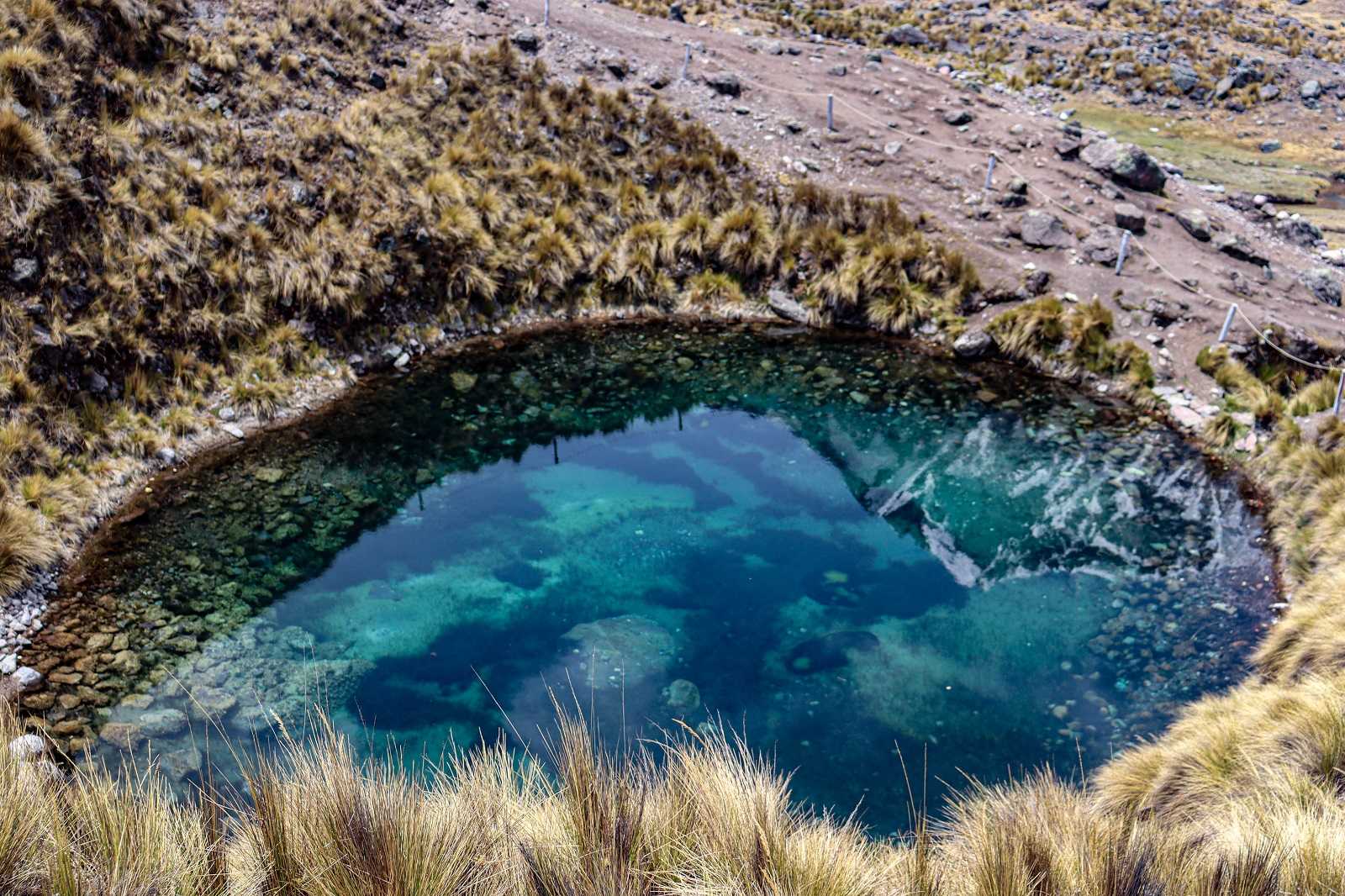
Natural thermal baths with panoramic mountain vistas. The water is mineral-rich and helps recover muscles after the hike.
Flexible, no hidden fees.
Cancellation terms depend on your specific operator. Ensure you clarify refund rules for the 20 PEN community entrance fee when booking your ausangate 7 lakes trek tickets.
Hand-picked options within walking distance — pick a district for vibe, or a specific hotel for convenience.
Authentic village stay with local Andean families.
The Ausangate massif holds more than sixty named glaciers, and the seven alpine lagoons that ring its northern flanks were known only to Quechua herders until the mid-1990s. At 4,600 to 4,900 metres, these lakes occupy a zone where meltwater pools in shallow cirques before descending into the Vilcanota watershed.
The 7 lakes ausangate trek follows a pre-Columbian llama route that connected Pacchanta with the high pastures of Ausangate, and the trail was formalised for trekking only after the longer five-day Ausangate circuit gained international attention in the early 2000s. The community of Pacchanta, which administers the trailhead and collects the 20-sol conservation fee, is itself a cluster of stone and adobe farmhouses at 4,300 metres, sustained by potato terraces and alpaca grazing.
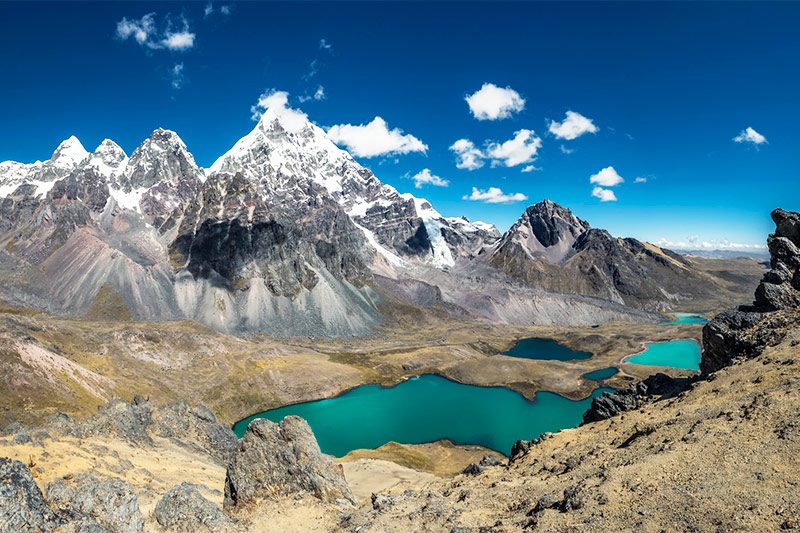
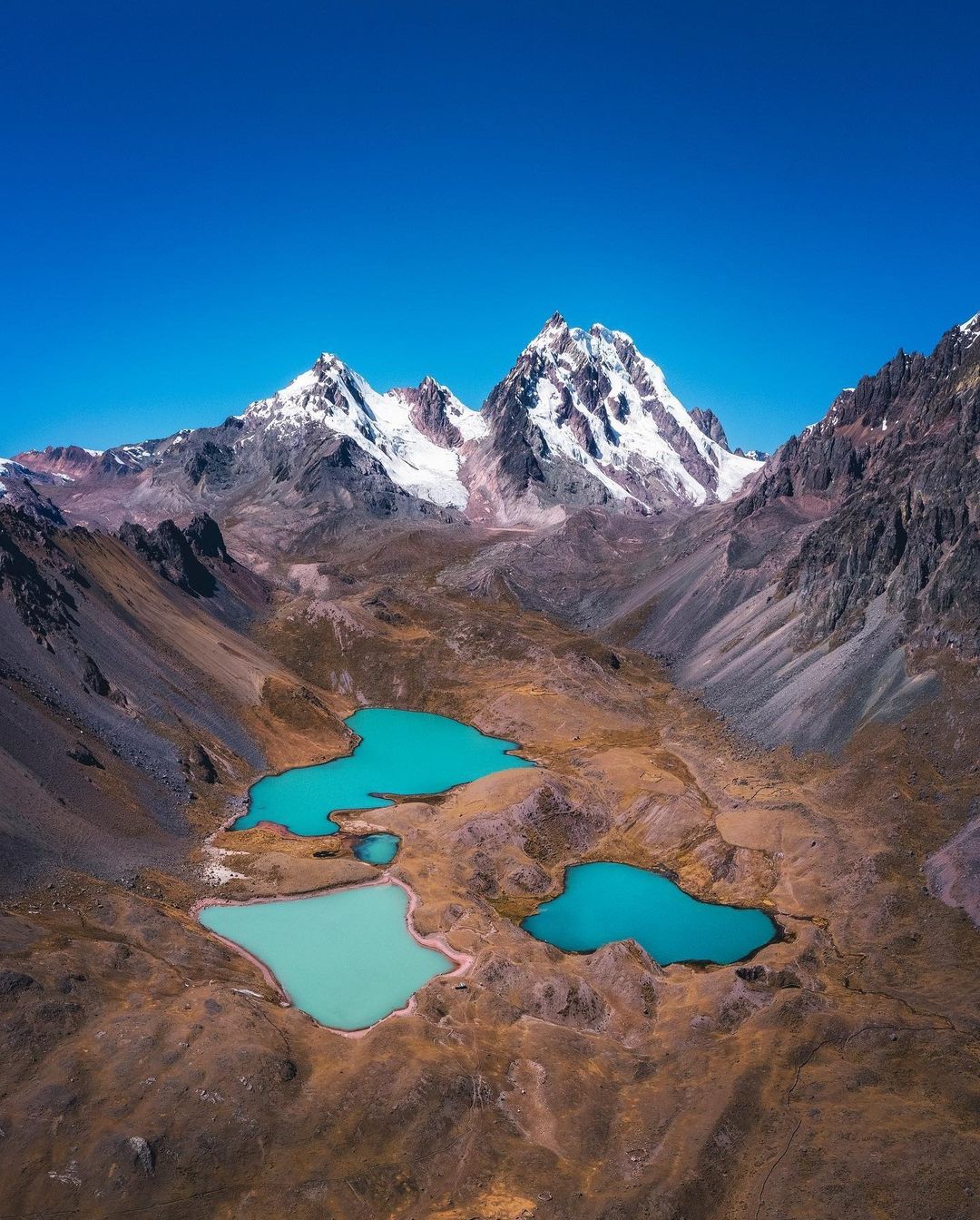
The Ausangate 7 Lakes Trek matters today because it compresses a high-altitude Andean experience into a single day, eliminating the acclimatisation demands of multi-day circuits while preserving the visual drama of glacial lakes and snowfields. The route has become the most-booked day hike in the Cusco region outside the Inca Trail system, drawing fifteen thousand visitors annually according to the Ocongate District tourism office. The lakes themselves — Azulcocha, Pucacocha, Otorongo, Comercocha, Alqacocha, Q'omercocha, and Hatun Q'omer — range from milky turquoise to deep jade, their colour determined by glacial flour concentration and depth. Each lake occupies a distinct elevation band, and the trail climbs through all seven in a clockwise loop that gains 600 vertical metres from the Pacchanta trailhead.
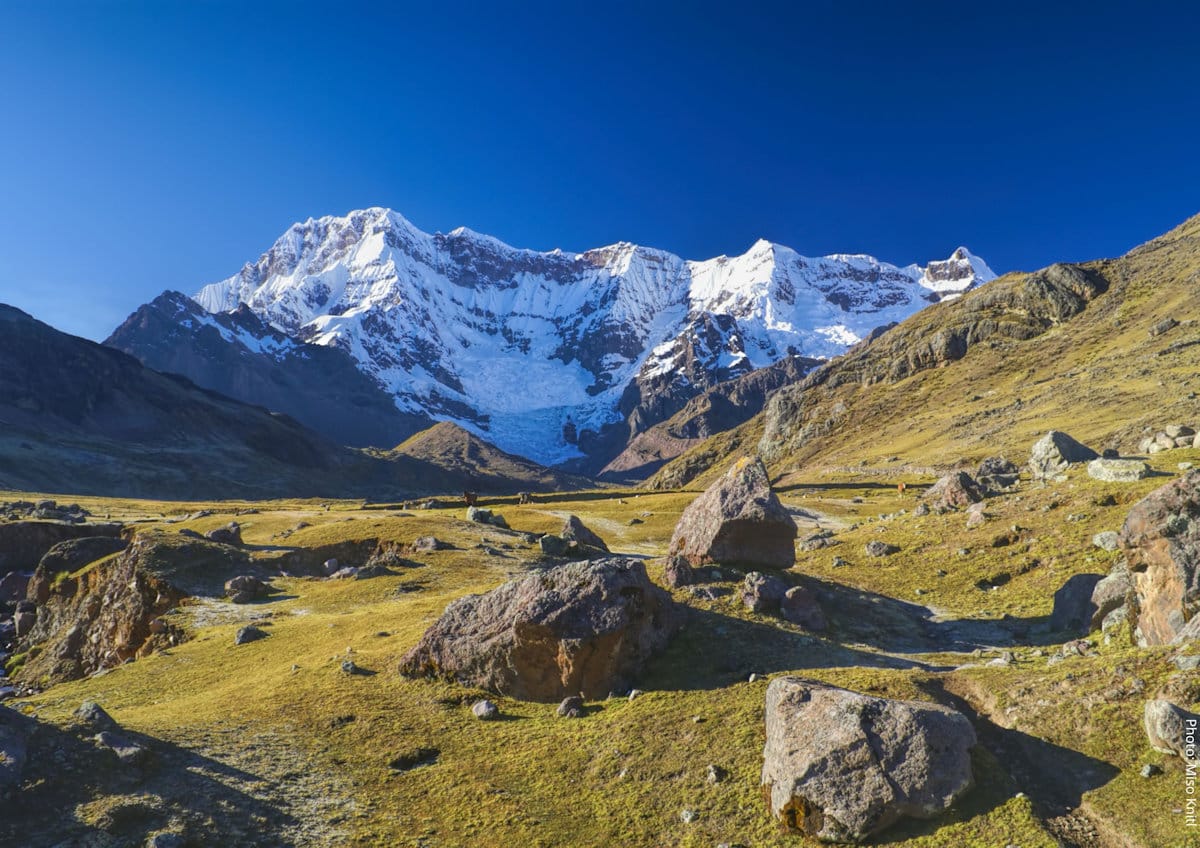
The geology is Permian-age granite intruded by Tertiary volcanics, and the surrounding peaks — Ausangate itself at 6,384 metres, plus the satellite summits of Mariposa and Jampa — belong to the Vilcanota Range, the highest subrange of the Peruvian Andes. The trail crosses four distinct ecological zones: puna grassland, cushion-plant bogs, scree slopes, and the periglacial zone where only lichen persists. Vicuña herds graze the lower slopes, and Andean geese nest on the lake margins between October and March. The 7 lakes ausangate day hike is not technically difficult — it requires no scrambling or fixed ropes — but altitude is the governing factor, and most operators refuse bookings for clients who have spent fewer than three nights in Cusco. The full-day trekausangate itinerary typically begins with a three-hour van transfer from Cusco to Pacchanta, followed by five to six hours of hiking, and a return transfer that reaches the city by nightfall.

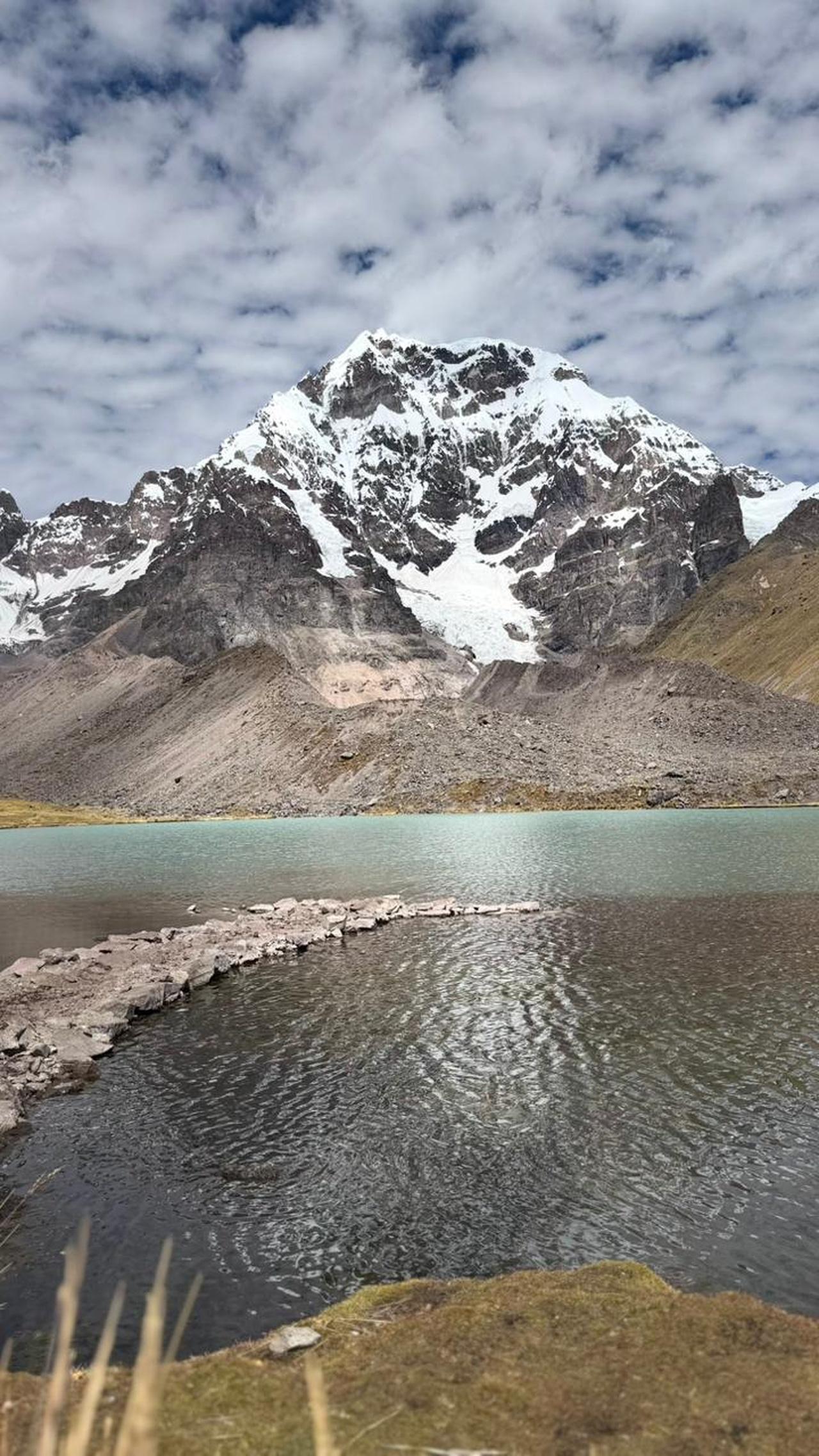
"The seven alpine lagoons occupy a zone where meltwater pools in shallow cirques before descending into the Vilcanota watershed."
A step-by-step walkthrough of Ausangate 7 Lakes Trek tickets — what you'll see, how long each stage takes, and the details that matter.
You leave Cusco before dawn, and the van climbs through the Southern Valley, passing Andahuaylillas and the red-earth village of Ocongate before the pavement ends.
The final hour is a dirt track that switchbacks up to Pacchanta at 4,300 metres, where you register with the community office and pay the 20-sol entrance fee. The trailhead is marked by a stone cairn and a wooden signpost naming the seven lakes in Quechua.
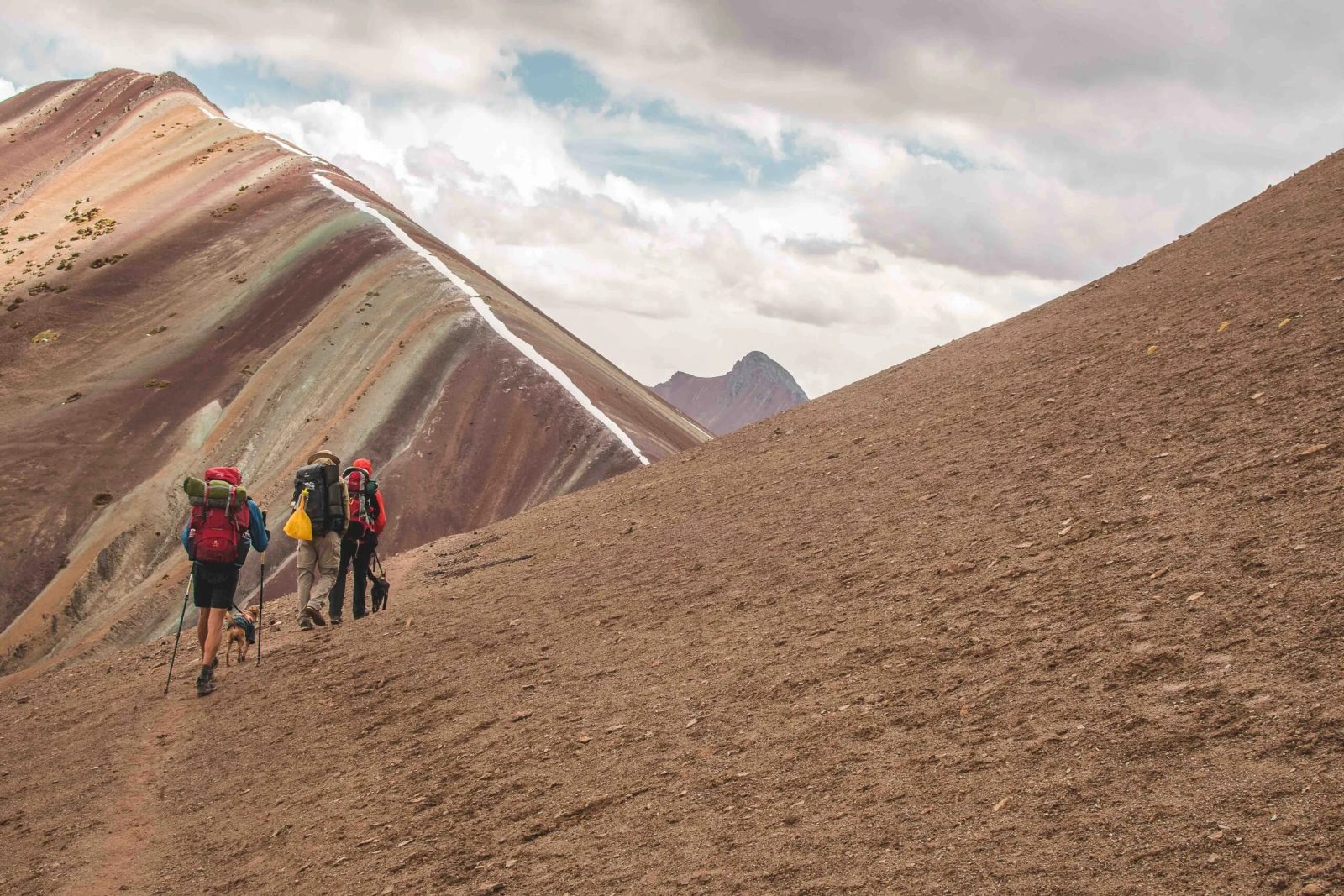
You begin on a gentle incline through puna grassland, crossing a wooden footbridge over a meltwater stream, and the first lake — Azulcocha — appears after thirty minutes, its surface a pale turquoise ringed by sedge. The trail steepens as you climb to Pucacocha, the red lake, named for the iron oxide in the surrounding scree. You pause here for breakfast, usually a packed box with hard-boiled eggs, bread, and fruit, then continue to Otorongo, the jaguar lake, which sits in a stone amphitheatre at 4,700 metres. The highest point of the circuit is the saddle between Comercocha and Alqacocha, where you can see the Ausangate summit and the glacial tongue that feeds the lakes below. You descend through Q'omercocha and Hatun Q'omer, the final two, then loop back to Pacchanta along a rocky jeep track, reaching the van by mid-afternoon.
The Seven Lakes area is accessible daily 00:00–23:59. Most visitors opt for daytime hikes for safety.
No formal pre-booked tickets are required, but you must pay the 20 PEN entrance fee upon arrival in Pacchanta.
The hike is considered challenging due to the altitude and steep mountain terrain of the ausangate 7 lakes trek.
Yes, you can visit independently, though a guided ausangate 7 lakes trek tour is recommended for safety and cultural context.
Plan your arrival window between 07:00–10:00 to avoid afternoon weather shifts.
Local eateries are available in Pacchanta, but you should bring water and snacks for the ausangate 7 lakes trek hike.
Pack layers, sunscreen, sturdy boots, and cash for the ausangate 7 lakes trek fees.
No, the hot springs typically require an additional 5 PEN fee during your visit to the ausangate 7 lakes trek area.
You will visit seven distinct glacial lakes, including Pucacocha, Otorongo, and Azulcocha.
There is no official age limit, but the high altitude makes this unsuitable for very young children or those with health conditions.